



Skin Tightening Gold Coast
Treatment Overview
Approach
Non-invasive skin support
Consultation
Skin tone and elasticity review
Tech Used
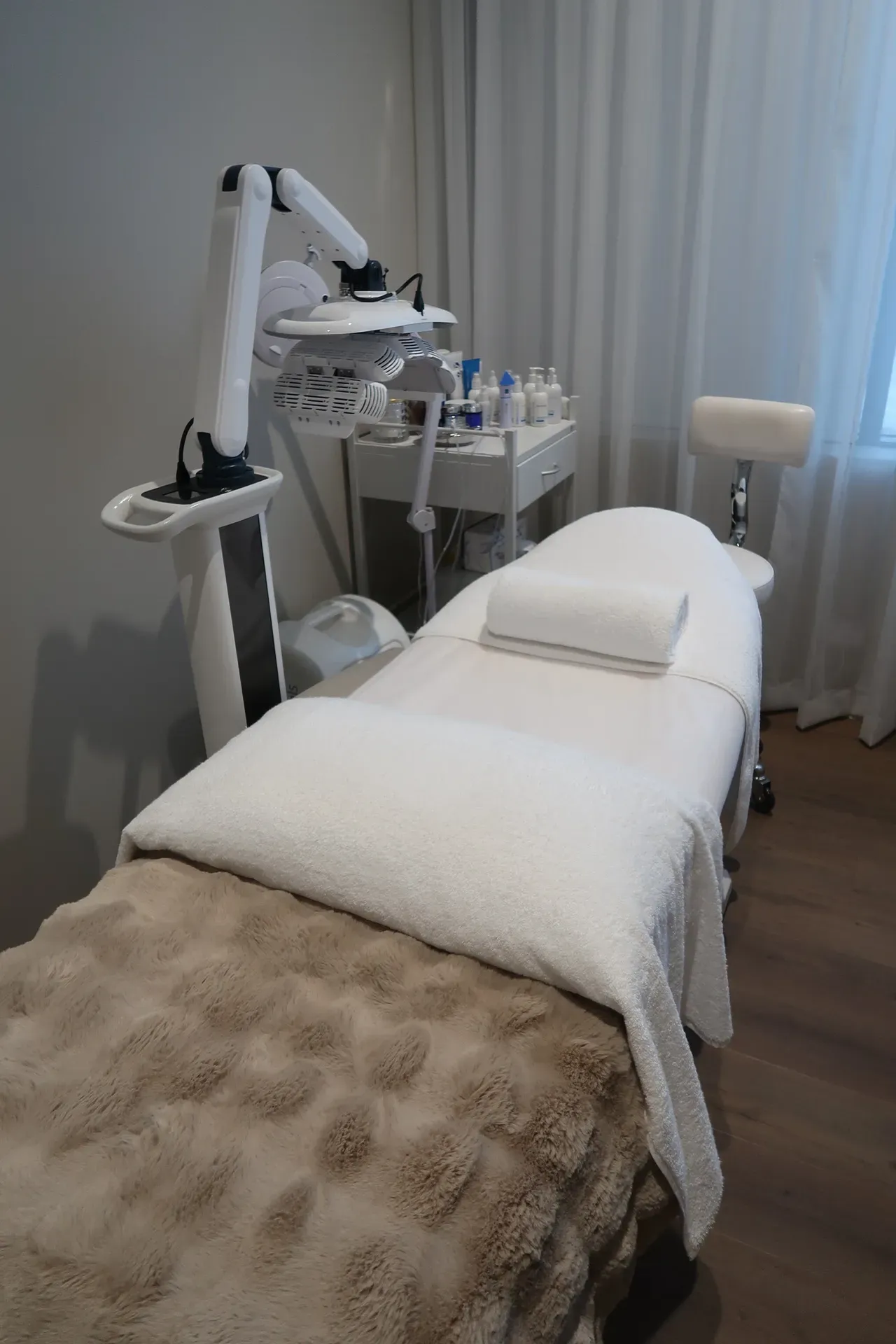
Visia imaging and clinical assessment
Treatment Options
Microneedling, PRP, radiofrequency
Session Duration
45–75 minutes
Downtime
Usually minimal
Frequency
Every 4–6 weeks
Practitioner
Doctor-led clinical team
Suitability
Determined through consultation
Addressing Skin Laxity on the Body
Changes in skin texture or elasticity on areas such as the arms, thighs or abdomen may occur over time due to a range of factors including age and environmental exposure. At Bespoke Longevity on the Gold Coast, we provide clinical consultations to assess individual skin concerns and discuss suitable management options.
Your consultation includes a clinical discussion to understand your skin presentation and contributing factors. Where appropriate, a clinician may discuss options such as microneedling, topical skincare support, or energy-based devices, based on individual suitability.
All care is provided following clinical assessment, with treatment options tailored to the individual and reviewed over time within a clinical setting.
Call 07 5623 3310 to book your consultation.
A Layered Strategy for Skin Support
Changes in skin texture and appearance can occur over time and may be discussed during clinical skin consultations. At Bespoke Longevity, we assess skin condition on an individual basis to understand relevant contributing factors and goals.
Consultations involve a clinical review of skin quality and may include discussion of suitable options such as microneedling or topical skincare support, where appropriate and based on individual suitability.
All care is provided following clinical assessment within a structured clinical setting, with options tailored to the individual and reviewed over time.
Common Focus Areas for Body Skin Laxity
Non-invasive skin treatments may assist in addressing texture and skin laxity in these areas:
- Upper arms (loose or thinning skin)
- Thighs (surface wrinkling or reduced elasticity)
- Abdomen (softness, folding, or skin thinning)
- Lower back or flanks (creased skin from movement or posture)
- Décolletage (visible lines or textural change)
- Knees (looseness or rippling)
Treatment suitability is assessed during consultation and depends on individual skin condition, biology, and goals. Each plan is developed with medical guidance and focuses on gradual support, not surface fixes.
Frequently Asked Questions
What causes changes in skin texture on the body?
Skin texture can change with natural ageing, sun exposure, and shifts in skin structure and elasticity. Hydration, hormones, and overall skin health may also play a role. These changes are often noticed on areas such as the arms, thighs, and abdomen.
Can lifestyle affect skin texture and tone?
Yes, lifestyle factors such as diet, sun protection, hydration, and sleep can influence skin texture over time. Regular movement, healthy circulation, and stress management may also support skin appearance. A clinical consultation helps determine which elements are relevant to your skin concerns.
Are non-invasive skin treatments suitable for everyone?
Suitability depends on individual factors like skin type, health status, and treatment goals. A clinical consultation is always required to assess options. Plans are designed to align with your biology and focus on long-term support rather than quick fixes.