

Scar Management on the Gold Coast
Treatment Overview : What to Expect
Approach
Doctor-led care using evidence-based therapies intended to support the appearance and texture of scars.
Consultation
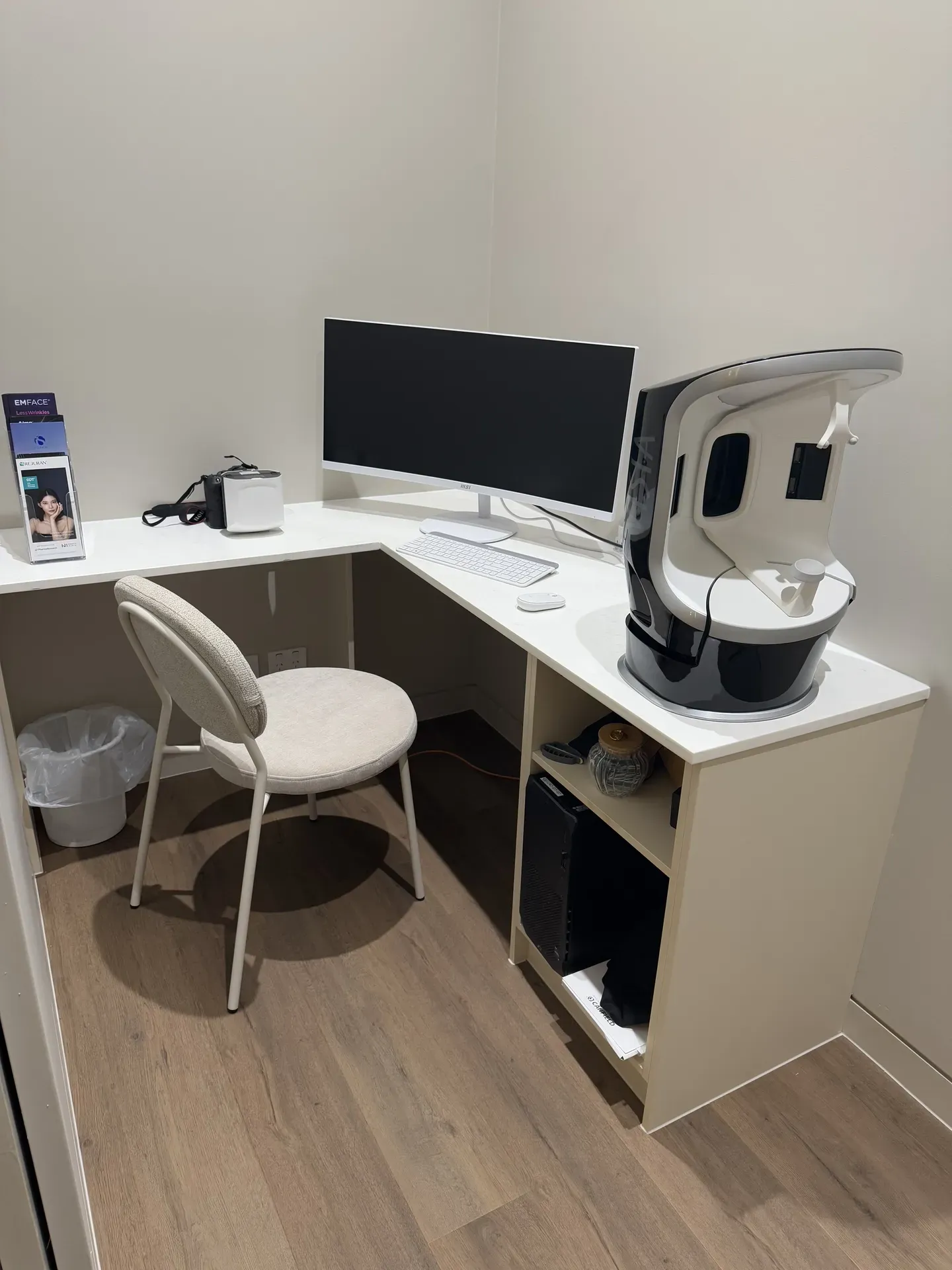
Comprehensive review of scar type, skin health, and medical history, with diagnostic imaging where appropriate.
Treatment Options
May include microneedling, fractional laser resurfacing, collagen-supporting energy-based therapies, or advanced facials.
Session Duration
45–90 minutes
Frequency
Treatment series may be recommended for some scar types; frequency determined by clinical review.
Practitioner
Doctor-led team supported by aesthetic medicine clinicians.
Suitability
Adults with acne scarring, surgical scars, or trauma-related scars who may be suitable for evidence-based, non-surgical support following clinical assessment.
Clinically Guided Care for Visible Scars
Scars can form for many reasons – from acne and surgery to accidental trauma. Their appearance may vary from flat and faint to raised, textured or discoloured, and they often affect more than appearance alone. For many people, scars are a reminder of past injury or health concerns and may influence confidence as well as skin quality.
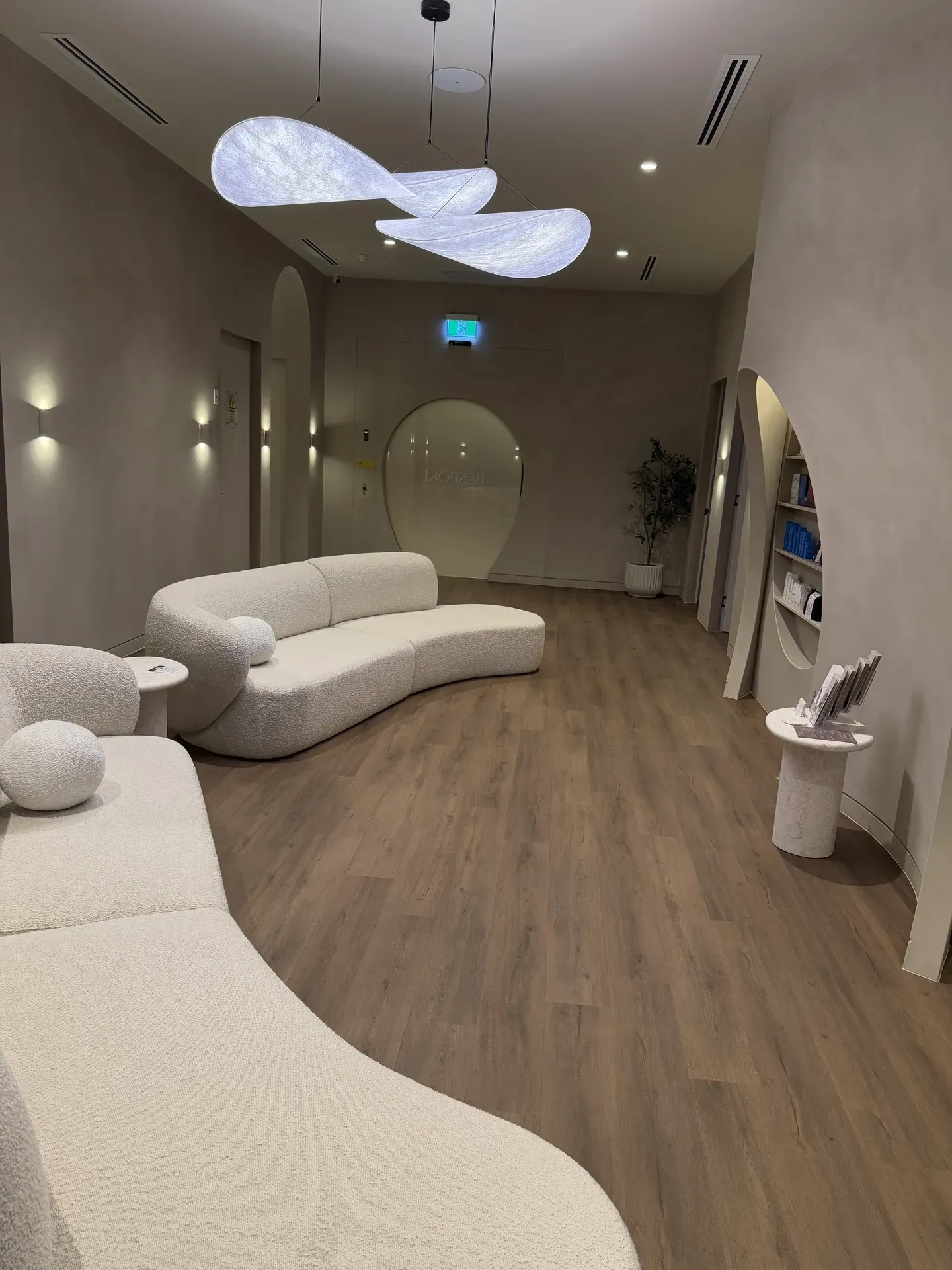
At Bespoke Longevity on the Gold Coast, we take a structured, clinically guided approach to scar management. Your consultation begins with a doctor-led review, which may include diagnostic imaging to support assessment of scar depth, pigmentation and tissue changes. This process helps identify contributing factors and informs a care plan that reflects both your skin biology and your personal goals.
Treatment pathways may involve non-surgical options such as microneedling to support collagen activity, fractional laser resurfacing aimed at improving texture, or advanced facials to support hydration and skin resilience. Each plan is tailored and reviewed regularly to ensure recommendations remain medically appropriate, safe and relevant over time.
If you’re considering support for scar care, call
(07) 5623 3310 to book your consultation.
Integrated Treatments for Progressive Results
Scars do not always respond to a single approach. For this reason, scar management at Bespoke Longevity is viewed as a gradual process guided by clinical assessment and evidence-based care. Rather than relying on one modality alone, treatment pathways may involve combining or sequencing options to support progressive improvement over time.
Microneedling may be integrated with energy-based treatments to assist with texture refinement, while fractional laser resurfacing can form part of a broader strategy to support collagen activity. In some cases, advanced facials may be included to help maintain hydration and support overall skin health between treatments. This layered approach allows both surface characteristics and underlying tissue changes to be addressed together.
Each care pathway is personalised and reviewed regularly. The focus remains on gradual, clinically appropriate changes that support skin health while adapting to how your skin responds. As no two scars are the same, treatment plans are refined over time to remain aligned with your goals and clinical needs.
Common Areas of Focus
Scar management treatments may support:
- Acne scarring
- Surgical scars
- Trauma or injury scars
- Textural irregularities
- Pigmentation within scar tissue
- Combination scars with multiple contributing factors
Suitability for each option is assessed through consultation and clinical review.
Frequently Asked Questions
Do scars fade naturally over time?
Some scars may lighten or flatten with time, especially during the first 12–18 months. However, many remain visible without intervention, particularly if they are deep, textured, or pigmented. Clinical scar management can provide structured support where natural healing has plateaued or when scars continue to cause concern.
Can old scars still be treated?
Yes. Scars that are several years old may still respond to evidence-based, non-surgical treatments. Outcomes vary depending on scar type, age, and skin characteristics. A consultation helps determine appropriate options and realistic expectations.
What types of scars respond best to treatment?
Response varies by scar type. Acne scars, surgical scars and trauma-related scars often require different approaches. Textural concerns may respond to collagen-supportive treatments, while pigmentation changes may be addressed with laser or light-based modalities, where clinically appropriate.
Is scar management painful?
Most non-surgical scar treatments involve mild to moderate discomfort, commonly described as warmth or light scratching. Comfort measures, including topical anaesthetic, may be used where suitable. Temporary redness or sensitivity can occur as part of the normal recovery process.