



Rosacea Treatment Gold Coast
Treatment Overview
Approach
Non-invasive skin support
Consultation
Skin analysis and sensitivity review
Tech Used
LED therapy, IPL, Harmony XL Pro
Skincare
Medical-grade, barrier-focused products
Frequency
Reviewed every 4–6 weeks (as needed)
Session Time
Typically 30–60 minutes
Downtime
Usually minimal
Suitability
Assessed during clinical consultation
Team
Medically guided skin health professionals
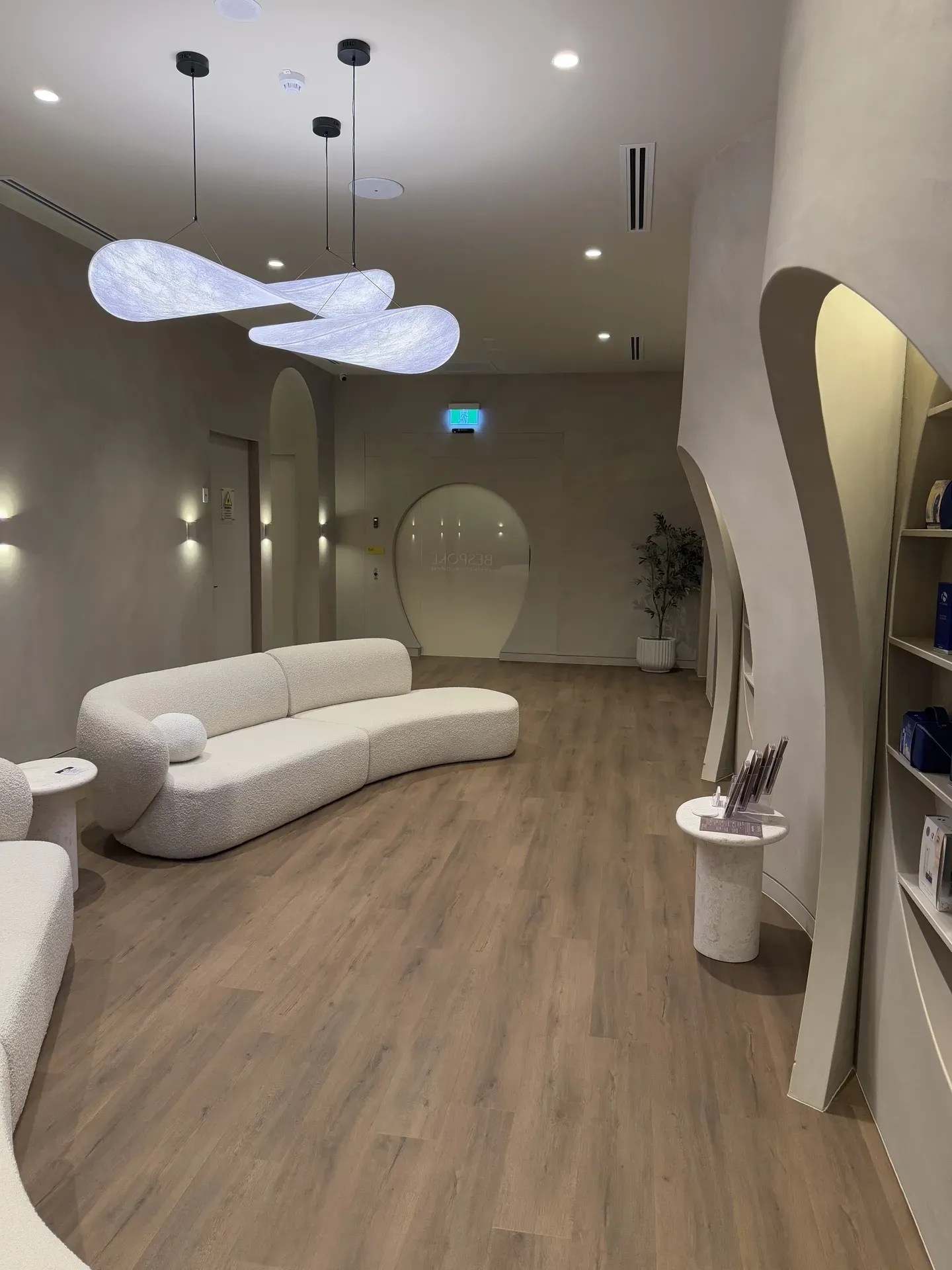
Targeted Support for Sensitive Skin
Facial redness, sensitivity, and flushing can affect both skin confidence and comfort. At Bespoke Longevity on the Gold Coast, our approach to rosacea treatment focuses on uncovering potential triggers and supporting skin health through structured, non-invasive care. We recognise that rosacea and redness can be influenced by many factors — including immune response, barrier function, vascular reactivity, and environmental stressors — which is why every consultation begins with an in-depth clinical review.
Depending on your skin’s needs, we may incorporate gentle technologies like LED light therapy or Harmony XL Pro, which are aimed at calming inflammation and reducing the appearance of visible redness. IPL may also be considered in suitable cases, as part of a broader plan guided by medical oversight. Alongside this, medical-grade skincare and barrier-focused strategies can often be included to assist with ongoing skin resilience and comfort.
If you're seeking rosacea treatment on that’s clinically reviewed and designed around your individual skin biology, we welcome you to book a consultation. Call
07 5623 3310 to arrange your visit.
Strengthening Skin from Within
Rosacea and facial redness often present in cycles, triggered by a combination of internal sensitivities and external exposures. At Bespoke Longevity, we approach management through clinical insight and stepwise planning, recognising that long-term skin comfort relies on understanding what contributes to flare-ups, not just how to calm them.
Rather than applying a fixed protocol, we begin by identifying patterns that may be worsening symptoms, including temperature extremes, dietary triggers, or product intolerance. From there, we may support the skin with barrier-focused topicals, phototherapy sessions tailored to your skin type, and ongoing education around common environmental stressors. Where appropriate, reviews are scheduled to monitor your skin’s response and adjust recommendations accordingly.
This structured model is designed to support more consistent skin behaviour over time, aiming to reduce visible inflammation while also improving day-to-day comfort. Our focus is not on aggressive treatment, but on sustainable, medically guided care that respects your skin’s biology and individual needs.
Common Focus Areas for Rosacea & Redness
Non-invasive skin therapies may assist in managing redness and sensitivity across several key areas:
- Cheeks (persistent flushing or broken capillaries)
- Nose (visible vessels or central redness)
- Chin (blotchiness or uneven skin tone)
- Forehead (diffuse redness or sensitivity)
- Neck & décolletage (reactivity or mild inflammation)
Support strategies vary based on skin type, symptom severity, and clinical evaluation. Treatments are developed with medical oversight to promote calm, balanced skin while avoiding unnecessary irritation.
Frequently Asked Questions
What causes rosacea and facial redness?
Rosacea may stem from multiple factors, including vascular sensitivity, immune responses, genetic predisposition, and environmental triggers like sun, wind, or stress. Skin barrier disruption and inflammatory pathways can also play a role. A clinical consultation can help identify possible contributors and guide suitable support options.
Is rosacea curable?
Rosacea is generally considered a chronic condition, but its symptoms can often be managed with consistent care. Treatment typically focuses on calming the skin, reducing visible redness, and identifying personal triggers. Long-term strategies may involve medical-grade skincare, device-based therapies, and lifestyle modifications.
What are common triggers for flare-ups?
Common triggers include heat, spicy foods, alcohol, stress, UV exposure, and harsh skincare. Identifying and minimising these factors can support skin comfort and reduce flare-up frequency. Clinical care often incorporates barrier support and gentle routines tailored to individual sensitivity.