



Pigmentation Treatment Gold Coast
Treatment Overview
Approach
Non-invasive skin renewal
Consultation Includes
Diagnostic skin review and pigmentation analysis
Treatment Options
May include microneedling, laser resurfacing, targeted facials
Session Duration
Approximately 30–60 minutes
Downtime
Varies by modality; minimal in most cases
Treatment Frequency
Typically spaced 4–6 weeks apart
Practitioner
Doctor-led team with clinical skin knowledge
Suitability
Determined during individual consultation

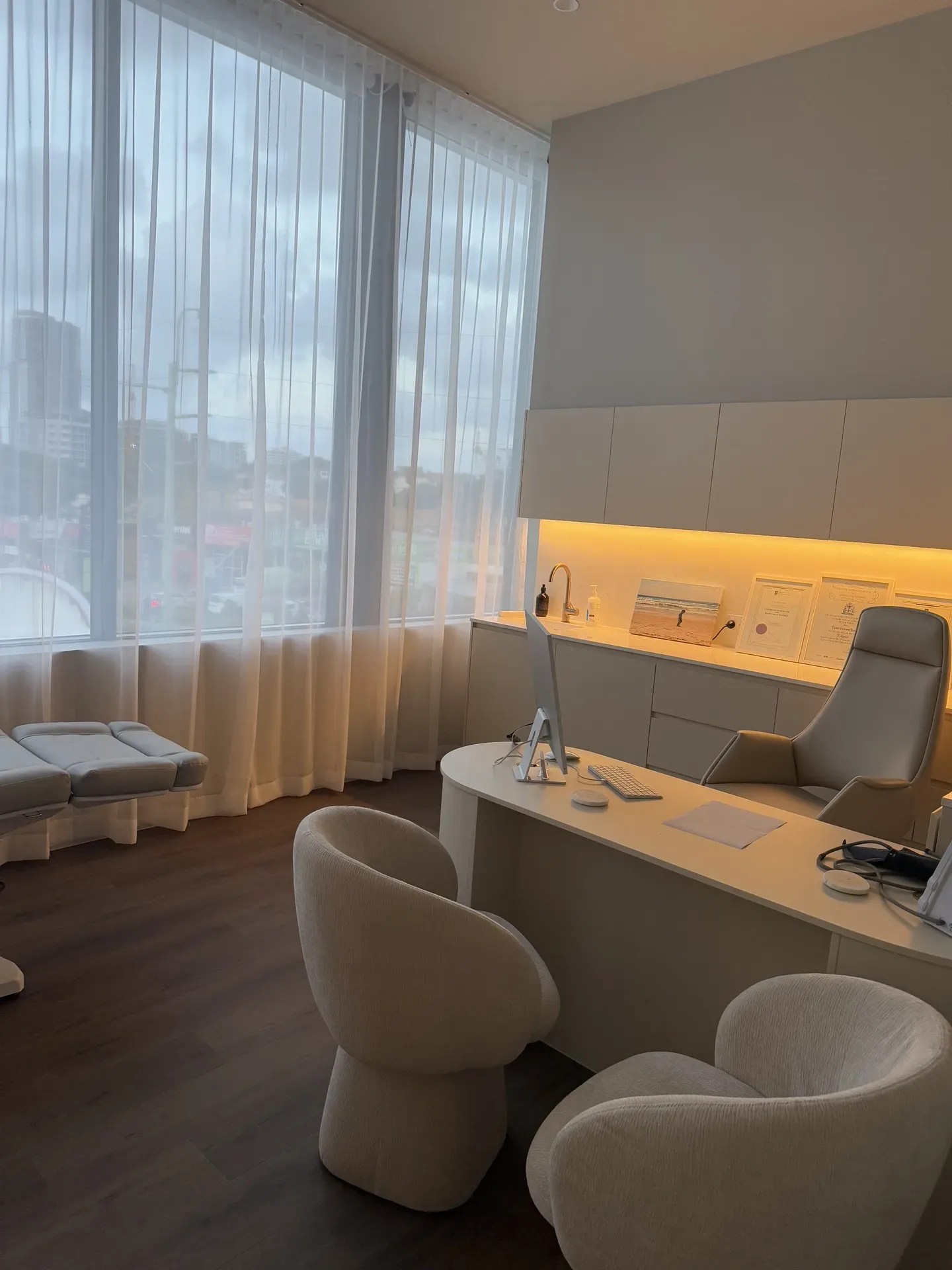
Targeting Skin Clarity with Care
Uneven skin tone can develop gradually due to sun exposure, hormonal changes, inflammation, or genetics. Whether you're noticing melasma, sun spots, or general pigmentation irregularities, our approach focuses on understanding your skin’s underlying biology, aiming to support a clearer, more balanced tone over time.
At Bespoke Longevity on the Gold Coast, every pigmentation treatment begins with a detailed skin analysis. This helps us assess contributing factors like UV damage, skin barrier function, and inflammatory patterns. From there, our clinical team develops a structured plan that may include options such as resurfacing facials, low-downtime laser protocols, and skin-repair technologies designed to support tone and texture improvement.
Rather than relying on one-size-fits-all methods, we build progressive strategies tailored to your needs. If you’re seeking medically informed care for pigmentation issues, our team offers direction grounded in precision, not guesswork. Call 07 5623 3310 to book your consultation.
Personalised Support for Skin Tone Concerns
Pigmentation is a complex skin concern influenced by internal and external factors. That’s why we look beyond the surface to understand what may be contributing to tone irregularities, such as hormonal shifts, post-inflammatory responses, or impaired skin repair.
Treatment pathways at Bespoke Longevity are guided by clinical assessment and tailored to individual skin responses. We may recommend low-impact resurfacing techniques to encourage skin renewal, topical solutions to support pigmentation regulation, or medical facials designed to assist with clarity and evenness. For those with persistent or hormonally driven pigmentation, long-term care plans may be developed with a focus on consistency and skin health.
Our aim is to provide structure and care that evolves with your skin. We avoid overcorrection and instead prioritise subtle, progressive change. Each strategy is built around your biology and reviewed regularly to reflect your treatment goals and skin integrity.
Common Focus Areas for Pigmentation
Non-invasive treatments may support skin clarity in the following areas:
- Cheeks (sun spots or blotchiness)
- Forehead (uneven tone or dullness)
- Upper lip (hormonal pigmentation)
- Nose and chin (post-inflammatory marks)
- Jawline (patchy or residual discolouration)
- Décolletage (sun-related pigmentation)
- Hands and forearms (age-related spots)
Treatment suitability is assessed during consultation. All approaches are guided by clinical review and adjusted to support long-term skin balance and clarity.
Frequently Asked Questions
What causes pigmentation on the skin?
Pigmentation can result from sun exposure, hormonal changes, inflammation, or injury to the skin. Melanin overproduction often leads to visible discolouration such as melasma, sun spots, or post-inflammatory marks. Identifying the underlying cause helps guide treatment recommendations and improve long-term skin balance.
Are treatments suitable for all skin types?
Treatment suitability depends on factors such as skin tone, sensitivity, and the type of pigmentation present. Some technologies are better suited to certain skin types. A clinical consultation is important to assess options and avoid treatments that may worsen uneven tone or increase sensitivity.
How long does it take to see results?
Visible changes vary depending on the treatment method and pigmentation type. Some individuals may notice a gradual improvement in clarity and tone over several weeks. Ongoing care and sun protection are important for supporting results and reducing the likelihood of pigmentation returning.