

Jowl Treatment Gold Coast
Treatment Overview
Approach
Regenerative skin strategies targeting lower face support
Consultation Includes
Facial structure and skin analysis
Technology Used
Visia & Vectra imaging systems
Treatment Options
Microneedling, PRP, polynucleotides, skin firming facials
Session Duration
30–60 minutes
Downtime
Usually minimal
Frequency
Every 4–6 weeks (as clinically advised)
Practitioner
Doctor-led aesthetic medicine team
Suitability
Confirmed during consultation
Targeted Care for Facial Contour Changes
Facial contour changes are a common part of ageing, often marked by a softening of the jawline and the appearance of jowls. These changes can occur due to shifts in skin elasticity, collagen levels, and soft tissue support. At Bespoke Longevity on the Gold Coast, we approach jowl treatment with a focus on structure, balance, and long-term skin health.
We begin by assessing the underlying contributors — such as skin laxity, tissue descent, or volume shifts — using advanced diagnostic tools. Our aim is to understand your facial anatomy in context, rather than treat in isolation. Treatment pathways are then developed with clinical oversight and may include non-invasive options such as skin-tightening devices, collagen stimulation therapies, and regenerative skin support.
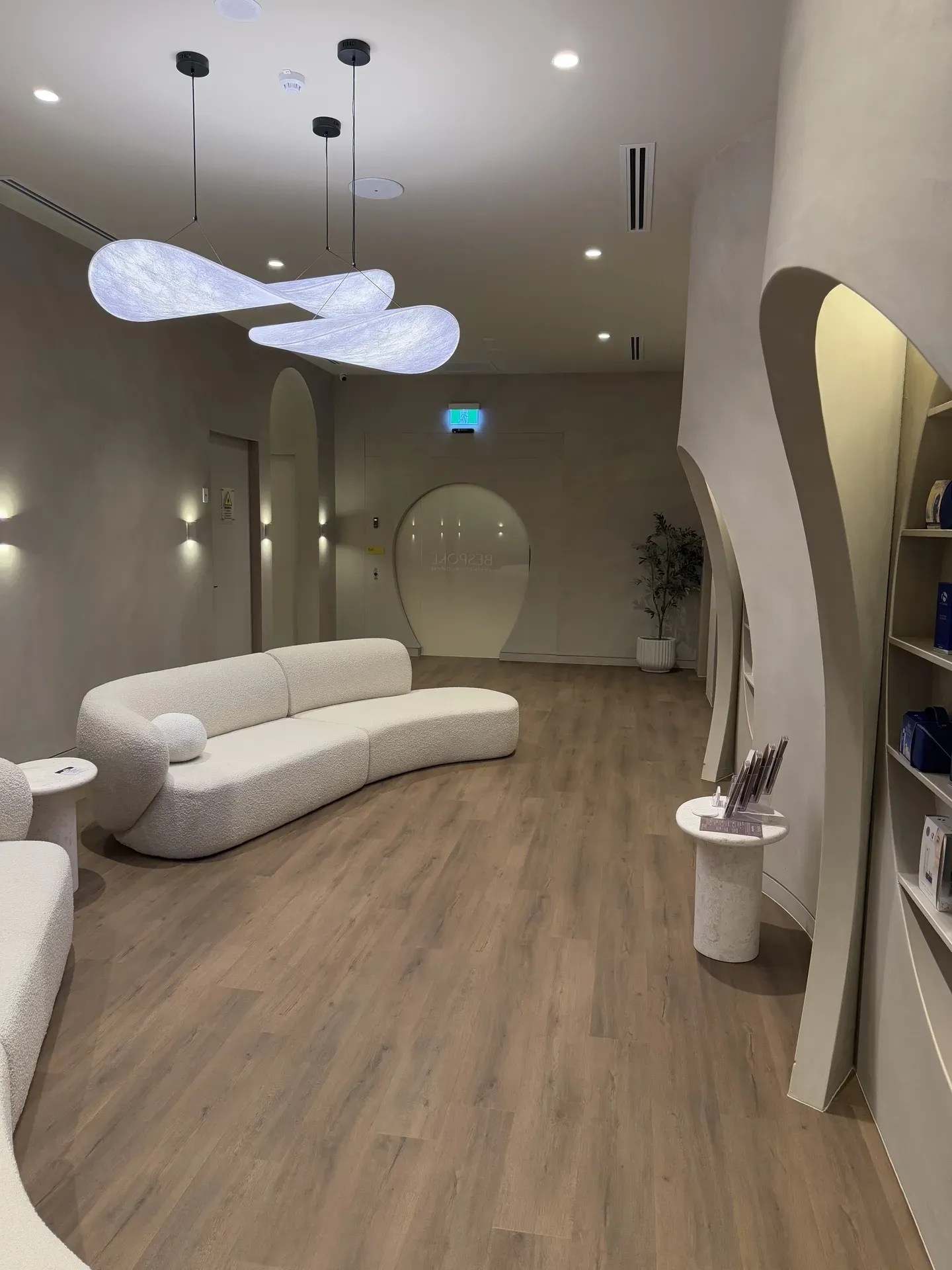
Consultations are held in a professional clinical environment and guided by medical review. All plans are developed with consideration for individual health needs and clinical appropriateness.
If you're exploring options for jowl treatment that reflect both clinical care and natural outcomes, we invite you to begin with a structured consultation. Call 07 5623 3310 to book.
Multi-Layered Care for Jawline Support
Jowl development rarely stems from a single cause, which is why our approach is layered and diagnostic-led. We assess soft tissue structure, collagen density, and skin tension to understand where support may be needed. From there, we design a non-invasive plan that may incorporate skin firming technologies, targeted facial therapies, or regenerative options such as microneedling or topical bioactive treatments.
Lifestyle and systemic factors are also considered. Elements such as hydration, nutrient status, and circadian disruption may influence skin resilience and should not be overlooked. Our clinical team works with you to build strategies that are progressive, measured, and adaptable to your biology over time.
While outcomes vary, our focus is on helping you maintain facial definition and balance through techniques that work with — not against — your skin’s natural architecture. Each step is reviewed over time aimed to support gradual, visible refinement without overcorrection.
Common Focus Areas for Jowl Support
Non-invasive skin and facial contour treatments may assist in addressing mild to moderate jowling and related concerns across the lower face, including:
- Jawline (loss of definition or softening)
- Jowls (sagging at the corners of the jaw)
- Lower cheeks (volume descent or heaviness)
- Chin area (soft tissue redistribution)
- Neck (mild skin laxity near the jawline
Treatment suitability is determined during clinical consultation, based on your individual facial structure, goals, and diagnostic review. All plans are designed to support natural structure and gradual improvement, under medical oversight.
Frequently Asked Questions
What causes jowling as we age?
Jowling is typically caused by natural changes in facial structure over time, including reduced skin elasticity, collagen decline, and gravity. As soft tissue shifts and support structures weaken, sagging may become more visible around the jawline and lower face.
Are non-surgical jowl treatments effective?
Non-surgical treatments may assist in improving tone and skin firmness in the lower face. Options such as skin-tightening technologies or regenerative skin therapies are often part of a structured care plan. Suitability and outcomes vary and should always be assessed clinically.
How long before I notice changes?
Visible changes depend on the treatment used, your skin biology, and how your body responds. Some people see gradual improvement over several weeks or months. Most protocols are reviewed periodically to assess progress and adjust care if needed